
Why Finishing Your Artwork Is Only the First Step
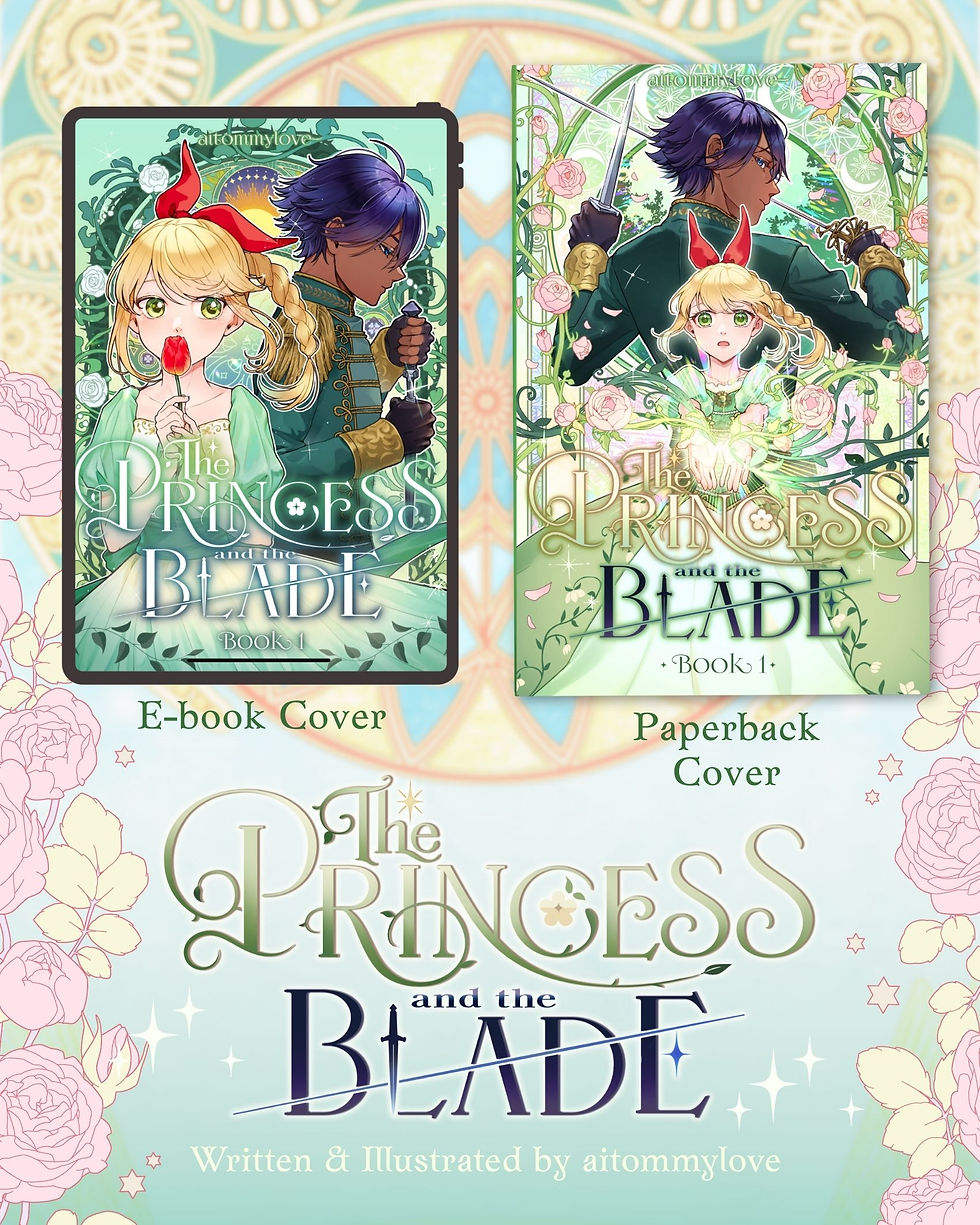
I've spent hours and hours revising my manuscript, my artworks, and formatting of my debut novel. And this revision process is tedious and painful for most of time.

It's not as fun or exciting as creating the work itself.
'Done is better than perfect' is a really valuable concept to prevent endless procrastination for almost everyone, not just artists.
We have assignments to do, paperworks to submit, and projects to tackle. When I was in the college, I told myself to just start the project or homework, and get it done as quickly as possible.
Then I went to the writing center or visit the professor and get some feedback. Sometimes I just submitted the first draft, but most of the time, the professor required us to submit the first draft, second draft, and final version at the end, so we were kind of, forced to revise our papers in the curriculum.

And a lot of professional or experienced artists say that completing a piece of work builds your artistic stamina far more effectively than starting a new project and abandoning half-finished drafts.
However, this philosophy is frequently misunderstood as an excuse to skip the crucial stage: revising.
I know many creators experience the frustrating thing: spending hours crafting a piece of art, feeling a rush of accomplishment upon finishing, and immediately sharing it online, only to wake up the next day and discover glaring mistakes they somehow completely missed.

But here's the thing. Reaching the end of your initial process merely means you have created a prototype. And a prototype is not the finished product.
To elevate your work to a professional standard, you must engage in deliberate and objective revision.
Yes, I know some of you are not interested in improving the skills, and that's completely fine. But, if you are wondering why your art skills are not developing, maybe this is the issue.
Why do we need to revise?
Well... technically, we don't have to. I often post my illustrations or drawings on social medias without revising or checking.
For those artworks, I don't really have to revise because those are just some doodles and I can always go back and fix, if I find the glaring mistakes.
But sometimes, skipping revision process hurt your reputation, especially if you want to earn money from your artwork.
What if you commissioned artwork from an artist and you could tell that they didn't really care about your order?
And yes, we make mistakes, I made mistakes, but we could prevent some of them if we take a look at the work before we hit post or publish.
So, what should we do?
The Importance of Psychological Distance
When you are deeply involved in creating an artwork or writing a manuscript, your eyes and brain become fatigued and biased toward the current state of the piece. You lose the ability to judge it accurately, and it's completely natural.
Taking a deliberate break, whether for a day, a week, or a month, resets your cognitive baseline.

This distance allows you to return to the work with fresh eyes, enabling you to spot errors that were invisible during the hyper-focused drafting phase.
Shifting Your Visual Perspective
Our brains quickly adapt to the medium we are working on. To break this familiarity, change the viewing context of your work.

If you drew on a desktop monitor, view the exported file on a smartphone. If you have access to a printer, print a hard copy. This will allow you to check your artwork in the different environment and let you see your work much more objectively.
Another highly effective technique is uploading the work to a private, secondary social media account.
Simulating the environment where your audience will eventually view the art helps you perceive it from a consumer's perspective, often highlighting compositional or color imbalances.
Constructive Self-Critique and Safe Editing
When reviewing your work, avoid vague self-deprecation like simply declaring 'it looks bad.'
Instead, identify specific issues. Is the anatomy rigid, or is the lighting flat? If you don't like the color palette, then find the better reference photos to aid the process.
And we need to remember that it's just as important to express what you like about your piece. Understanding why a specific element is appealing is a complex but necessary skill for growth.
Once you identify these points, duplicate your original project file before making any changes.
This ensures you can experiment with corrections safely without destroying your initial effort, which is especially important for beginners whose edits might not always go as planned.
There's no 'perfect' art, but we can pursue it anyway
Although a flawless piece of art might not exist, the dedicated pursuit of excellence distinguishes amateurs from professionals.

Revisions can be a bit of a drag, but tweaking and improving a finished prototype will let your skills grow.
So if you are still a beginner artist and seek to improve your art skills more, you should include this revisioning step in your creative process.
Wait posting your work online until revisioning your work. This will definately help you in different ways.


Comments